Industry
What county permits trip up Miami-Dade food truck owners?
License compliance for Miami-Dade food trucks means clearing DERM county permits, Florida DBPR state licensing, commissary agreements and fire marshal inspections.
What to take away
- License compliance in Miami-Dade runs on two tracks at oncecounty DERM permits and state DBPR mobile food unit licensing.
- DERM inspects the truck itself, its commissary and its plan review before you ever park for service.
- A commissary agreement is not paperwork you can borrow from a friend. It must name the address, the services and the hours.
- Fire marshal inspections cover propane, generators and extinguishers, and they happen before operation, not after.
Why Miami-Dade food trucks face county and state layers
Miami sits in a county that issues its own environmental health permits on top of Florida's statewide licensing. A food truck operating near Little Havana or Wynwood answers to both.
The county layer exists because Miami-Dade runs its own environmental health program rather than deferring entirely to Tallahassee. That means two applications, two fee schedules and two inspection calendars.
Federal, state and local permits stack the same way for any small firm, as the Small Business Administration's guide to licenses and permits explains in Launch your business.
City rules can add a third layer. Miami, Miami Beach and Hialeah each handle vending locations, parking and hours differently, so the city and county licenses you hold in one municipality may not cover a spot two blocks away.
At the city level, Miami issues a Local Business Tax Receipt plus a certificate of use for the vending site, and requires the property owner's written consent for private lots.
Miami Beach requires a city Business Tax Receipt and a vending permit tied to an approved location and approved hours. Hialeah requires its own Local Business Tax Receipt and certificate of use, plus approval of where the truck will park. Form names and fees change, so confirm them with each city's licensing office.
Tourism and cross-border trade keep food truck demand high here, and that demand keeps inspectors busy. Typical wait from a complete application to first service is 6 to 12 weeks, and the county review is the longest step.
Miami-Dade DERM mobile food unit requirements
Miami-Dade DERM, the Department of Environmental Resources Management, is the county body that reviews and permits mobile food units. Its review covers the vehicle, the commissary and the operating plan.
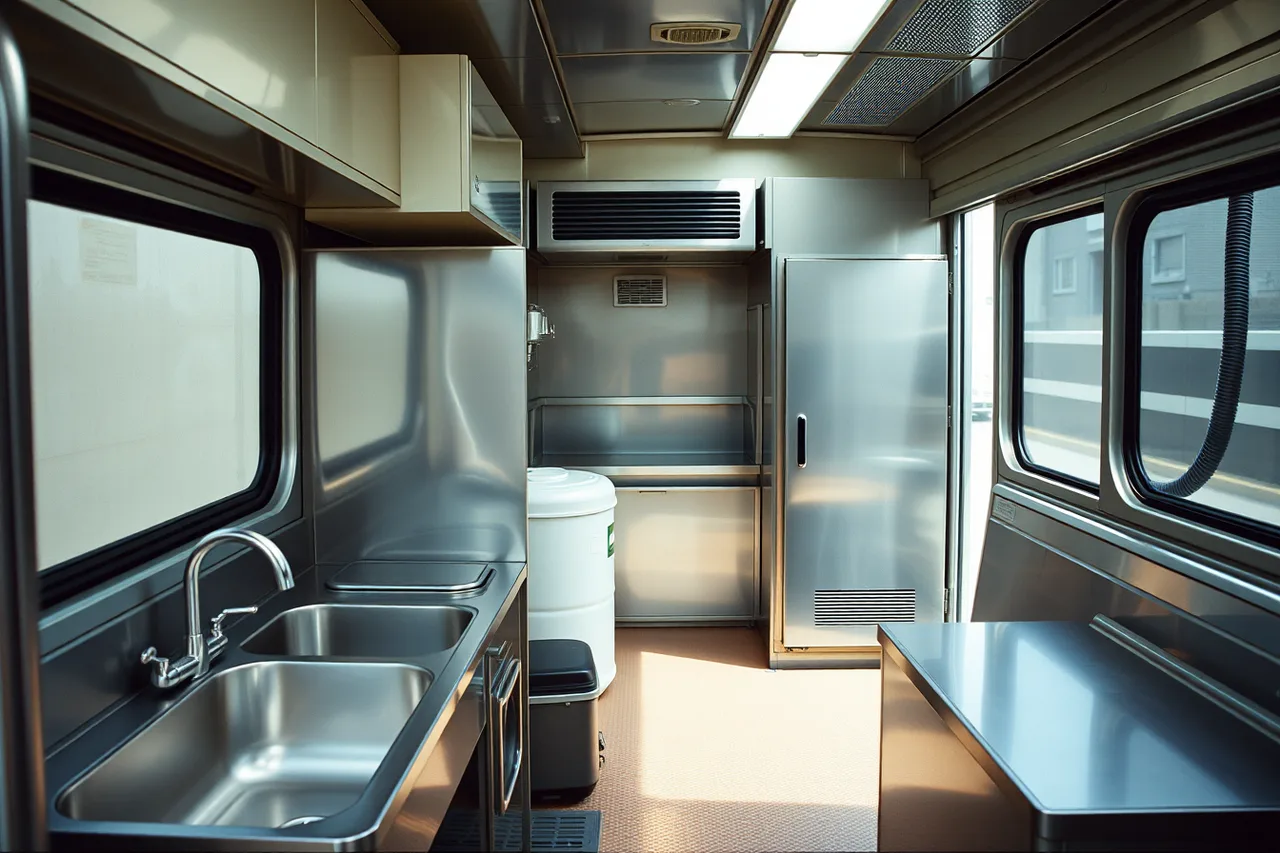
Plan review comes first. DERM wants to see the truck's layout before construction or conversion is finished, because changes after the fact mean a second review and a second fee. File it on DERM's mobile food unit plan review application.
Typical plan review fee is $250 to $500, and review of a complete application takes 2 to 4 weeks. DERM bills the annual operating permit separately, typically $300 to $600, and publishes both figures in its fee schedule.
Expect scrutiny of handwashing sinks, three-compartment sinks, potable and wastewater tank capacities, refrigeration temperatures and overhead protection. A truck built for another state's rules often fails this list.
The vehicle must be able to operate independently at the commissary for cleaning and servicing, and it must return there. DERM treats the commissary as the truck's home base, not an optional stop.
Inspections happen at the county level and can be scheduled only once the unit is largely complete. Vendors who call too early get sent away and re-queued. Typical lead time for the appointment is 1 to 2 weeks.
DERM permits carry an annual cycle. Put the renewal date somewhere you will see it, because a lapsed county permit stops service immediately.
Florida DBPR licensing for mobile food units
The state layer comes from the Florida Department of Business and Professional Regulation. Florida DBPR mobile food unit requirements govern the license that lets you sell food to the public anywhere in the state. Apply on the department's food service license application through the DBPR online portal.
The annual state license fee is set by statute and typically runs $100 to $400, depending on the license category the unit qualifies under. Processing a complete application takes 2 to 4 weeks, and that clock runs alongside the county review.
DBPR distinguishes between mobile food units that prepare food on board and those that only assemble or serve. The distinction changes what equipment and what inspection you need.
A DBPR license is tied to the unit, not to you personally. Sell the truck and the new owner takes on the licensing problem; buy a used truck and you inherit its history.
DBPR also licenses the commissary relationship indirectly, because the state expects the unit to operate from an approved base. A commissary that is not properly licensed undercuts your state license.
The bottleneck is usually the county review running alongside the state application.
If you also produce packaged goods at home for sale, the rules diverge sharply, as covered in our guide to a Home Bakery License in Florida.
Commissary agreements and what they must contain
A commissary agreement is the written arrangement between the food truck owner and a licensed commercial kitchen that supports the unit. DERM and DBPR both expect to see it.
Handshake deals fail inspection. The agreement should be signed by both parties and kept in the truck.
What a commissary agreement must contain:
- The commissary's name, physical address and its own license or permit number
- The specific services providedpotable water, wastewater disposal, warewashing, garbage, food storage
- Days and hours the truck may use the facility, including overnight parking if allowed
- The term of the agreement and how either side ends it
- Signatures from both the commissary operator and the food truck owner
- A statement that records will be available to inspectors on request
- Any fee schedule, so a dispute later does not look like an undocumented arrangement
Commissary capacity is finite. Popular kitchens in Miami-Dade limit how many trucks they serve, and a signed agreement can be withdrawn if the kitchen loses its own license.
When you change commissaries, expect to refile.
Fire marshal inspections before operation
Fire marshal inspections in Miami-Dade focus on the equipment that can hurt people: propane tanks, generators, wiring, extinguishers and exhaust hoods.
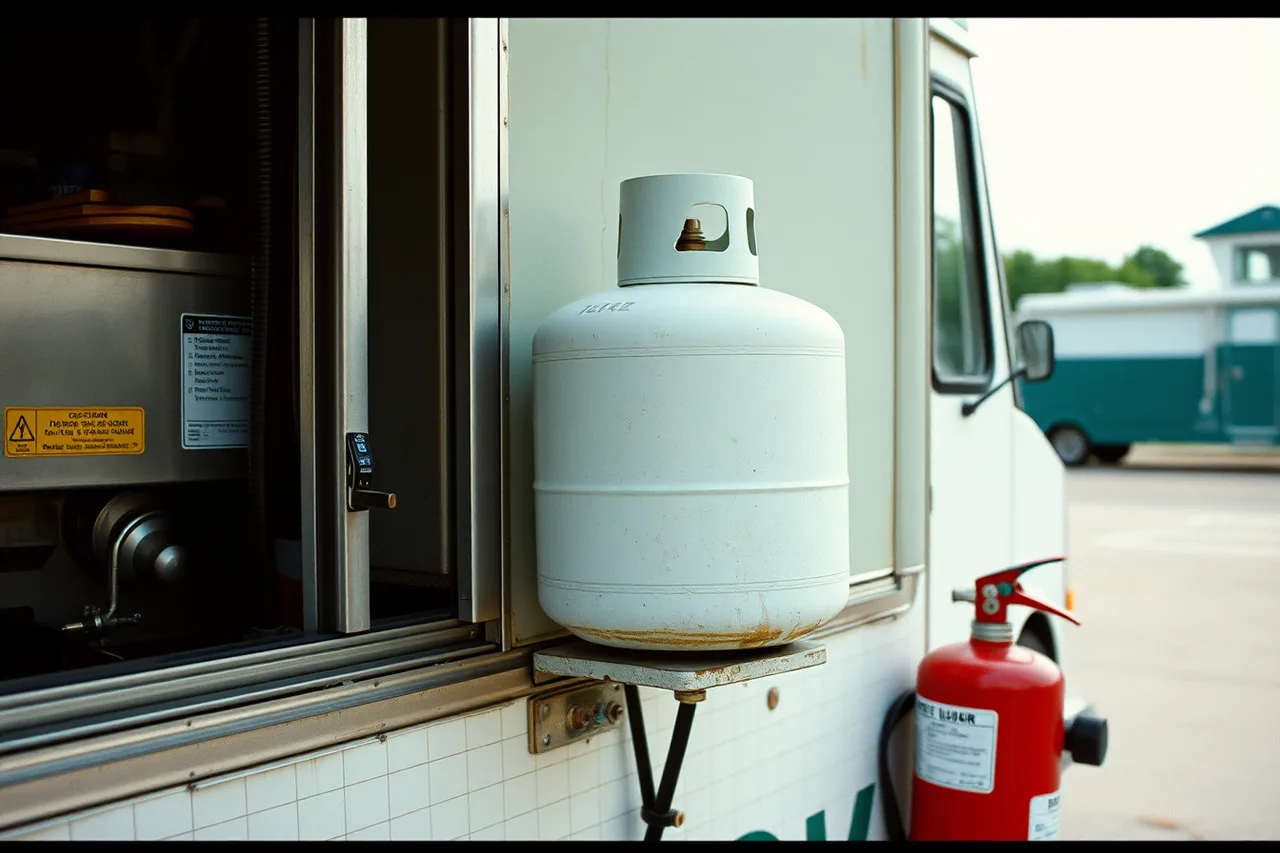
Propane cylinders must be secured, mounted outside the cooking compartment and fitted with the right connections. A tank rattling loose in a cabinet is a failed inspection.
Extinguishers need current tags and the correct class for cooking oil. Hood suppression systems, where fitted, need documentation of service.
Electrical work on a converted truck is a common failure point. Generators, inverters and shore power connections all draw attention.
Fire marshal sign-off usually comes after the county health review and before you serve. Typical lead time for the inspection is 2 to 3 weeks, and a late booking delays the opening by that much.
Food service establishments generally face the same pattern of licensing plus inspection before opening, which the City of Chicago food service rules illustrate for a different market.
License compliance pitfalls that delay Miami food trucks
Most delays are administrative, not culinary. Vendors lose two to four weeks to mismatched addresses, expired documents and inspections booked in the wrong order.
A vendor buys a used truck in Hialeah, registers it under a new LLC, signs a commissary agreement in Little Haiti and applies to DBPR first. DERM rejects the plan review because the sink configuration was altered after the original build. Corrections and re-review typically add 3 to 5 weeks.
The sequence, in order:
- Plan review with DERM
- Build or correct the truck
- County inspection by DERM
- Fire marshal inspection
- State DBPR license
- Open for service
Address mismatches are the single most common rejection. The truck's registered address, the commissary address and the LLC address must all be consistent and current.
Compliance does not end at opening. Renewals, equipment changes, new commissaries and added employees all create fresh obligations, which the SBA covers in its guidance on how to stay legally compliant.
The city and county licenses risks that sink new vendors are usually timing risks, not legal ones. A city and county licensing policy that tracks each permit's expiry and renewal owner prevents most of them.
Operators who have run Food Truck Permits in Austin often find Miami-Dade's county layer heavier, but the checklist habit transfers.
Keep a single folder, physical and digital, holding every permit, agreement and inspection report. When an inspector asks, you produce it in seconds rather than days.